- Isle of Wight attractions
- Historical sites
- Osborne House
Discovering Osborne House: A Premier Attraction on the Isle of Wight
Explore Osborne House, the stunning summer retreat of Queen Victoria on the Isle of Wight. A must-visit for history and architecture lovers.
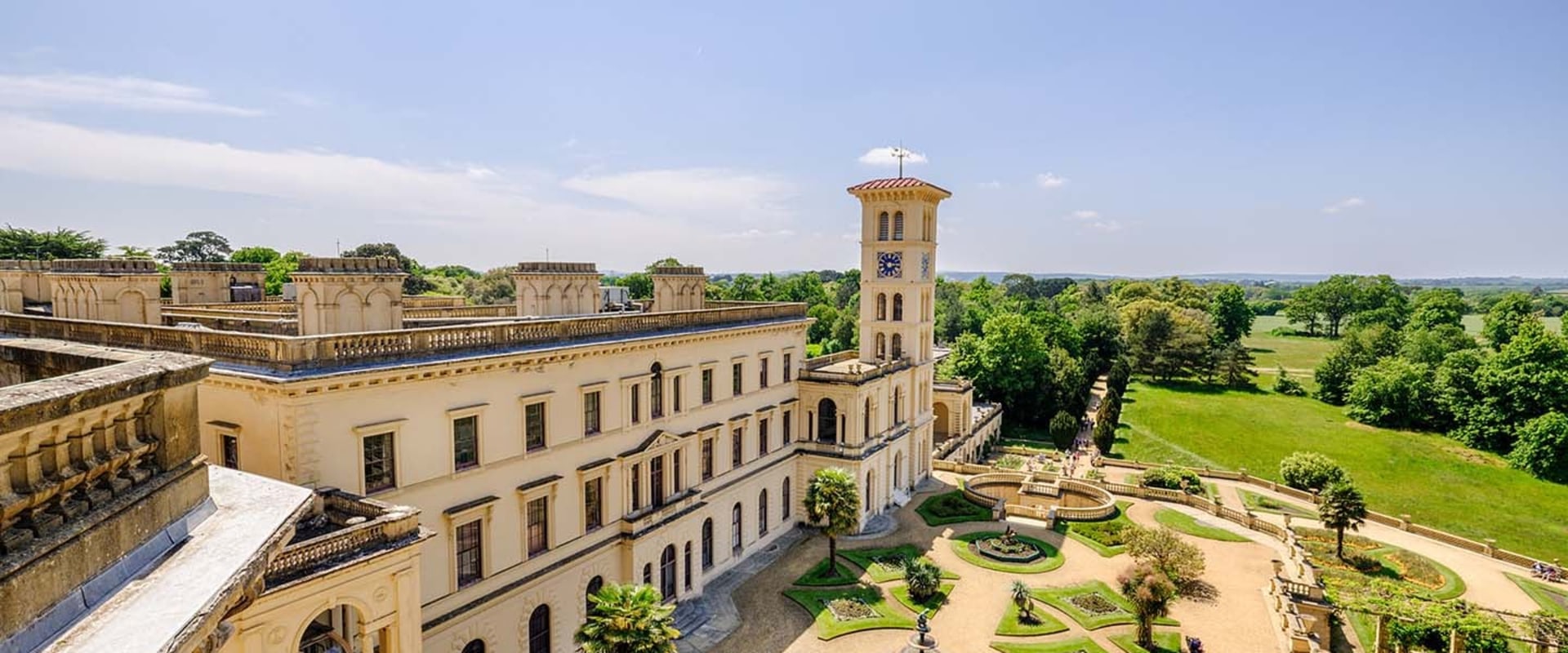
Osborne House stands as a testament to the rich history and royal heritage of the Isle of Wight, making it an essential stop for anyone looking to visit the Isle of Wight. This magnificent estate, once the cherished summer retreat of Osborne House stands as a testament to the rich history and royal heritage of the Isle of Wight, making it an essential stop for anyone looking to visit the Isle of Wight. This magnificent estate, once the cherished summer retreat of Queen Victoria and Prince Albert, offers visitors a unique glimpse into the lives of one of Britain’s most iconic royal couples. Nestled amidst lush gardens and overlooking the Solent, Osborne House is not just an architectural marvel; it is a place where history comes alive, much like Exploring Iconic and Historical Cafes in London reveals the stories behind beloved establishments. Constructed in 1845, Osborne House was designed by Prince Albert himself, reflecting his vision of a serene escape from the pressures of court life. The estate features stunning Italian Renaissance architecture, which harmoniously blends with its picturesque surroundings. Osborne House stands as a testament to the rich history and royal heritage of the Isle of Wight, making it an essential stop for anyone looking to visit the Isle of Wight. This magnificent estate, once the cherished summer retreat of Queen Victoria and Prince Albert, offers visitors a unique glimpse into the lives of one of Britain’s most iconic royal couples. Nestled amidst lush gardens and overlooking the Solent, Osborne House is not just an architectural marvel; it is a place where history comes alive, much like Exploring Iconic and Historical Cafes in London reveals the stories behind beloved establishments. Constructed in 1845, Osborne House was designed by Prince Albert himself, reflecting his vision of a serene escape from the pressures of court life. The estate features stunning Italian Renaissance architecture, which harmoniously blends with its picturesque surroundings. and Prince Albert, offers visitors a unique glimpse into the lives of one of Britain’s most iconic royal couples. Nestled amidst lush gardens and overlooking the Solent, Osborne House is not just an architectural marvel; it is a place where history comes alive, much like Exploring Iconic and Historical Cafes in London reveals the stories behind beloved establishments. Constructed in 1845, Osborne House was designed by Prince Albert himself, reflecting his vision of a serene escape from the pressures of court life. The estate features stunning Italian Renaissance architecture, which harmoniously blends with its picturesque surroundings. Osborne House stands as a testament to the rich history and royal heritage of the Isle of Wight, making it an essential stop for anyone looking to visit the Isle of Wight. This magnificent estate, once the cherished summer retreat of Queen Victoria and Prince Albert, offers visitors a unique glimpse into the lives of one of Britain’s most iconic royal couples. Nestled amidst lush gardens and overlooking the Solent, Osborne House is not just an architectural marvel; it is a place where history comes alive, much like Exploring Iconic and Historical Cafes in London reveals the stories behind beloved establishments. Constructed in 1845, Osborne House was designed by Prince Albert himself, reflecting his vision of a serene escape from the pressures of court life. The estate features stunning Italian Renaissance architecture, which harmoniously blends with its picturesque surroundings. , offers visitors a unique glimpse into the lives of one of Britain’s most iconic royal couples. Nestled amidst lush gardens and overlooking the Solent, Osborne House is not just an architectural marvel; it is a place where history comes alive, much like Exploring Iconic and Historical Cafes in London reveals the stories behind beloved establishments. Constructed in 1845, Osborne House was designed by Prince Albert himself, reflecting his vision of a serene escape from the pressures of court life. The estate features stunning Italian Renaissance architecture, which harmoniously blends with its picturesque surroundings. Osborne House stands as a testament to the rich history and royal heritage of the Isle of Wight, making it an essential stop for anyone looking to visit the Isle of Wight. This magnificent estate, once the cherished summer retreat of Queen Victoria and Prince Albert, offers visitors a unique glimpse into the lives of one of Britain’s most iconic royal couples. Nestled amidst lush gardens and overlooking the Solent, Osborne House is not just an architectural marvel; it is a place where history comes alive, much like Exploring Iconic and Historical Cafes in London reveals the stories behind beloved establishments. Constructed in 1845, Osborne House was designed by Prince Albert himself, reflecting his vision of a serene escape from the pressures of court life. The estate features stunning Italian Renaissance architecture, which harmoniously blends with its picturesque surroundings. and Prince Albert, offers visitors a unique glimpse into the lives of one of Britain’s most iconic royal couples. Nestled amidst lush gardens and overlooking the Solent, Osborne House is not just an architectural marvel; it is a place where history comes alive, much like Exploring Iconic and Historical Cafes in London reveals the stories behind beloved establishments. Constructed in 1845, Osborne House was designed by Prince Albert himself, reflecting his vision of a serene escape from the pressures of court life. The estate features stunning Italian Renaissance architecture, which harmoniously blends with its picturesque surroundings. Osborne House stands as a testament to the rich history and royal heritage of the Isle of Wight, making it an essential stop for anyone looking to visit the Isle of Wight. This magnificent estate, once the cherished summer retreat of Queen Victoria and Prince Albert, offers visitors a unique glimpse into the lives of one of Britain’s most iconic royal couples. Nestled amidst lush gardens and overlooking the Solent, Osborne House is not just an architectural marvel; it is a place where history comes alive, much like Exploring Iconic and Historical Cafes in London reveals the stories behind beloved establishments. Constructed in 1845, Osborne House was designed by Prince Albert himself, reflecting his vision of a serene escape from the pressures of court life. The estate features stunning Italian Renaissance architecture, which harmoniously blends with its picturesque surroundings.
As you wander through its grand halls and beautifully landscaped gardens, you will discover the personal touches that Queen Victoria added over the years, making it a true reflection of her family life and passions. For those planning to explore this remarkable attraction, Osborne House offers more than just a historical experience. Visitors can engage with various exhibitions and events throughout the year, enhancing their understanding of Victorian culture and royal traditions. From guided tours that delve into the intricate details of the house's design to seasonal events that celebrate its rich heritage, there is something for everyone at this iconic site. Whether you are a history enthusiast, an architecture aficionado, or simply seeking a beautiful location to enjoy a day out, Osborne House is undoubtedly one of the top attractions on the Isle of Wight. Its captivating story and stunning vistas make it a must-see destination that promises to leave a lasting impression on all who visit.
The Historical Significance of Osborne House
Osborne House stands as a testament to the grandeur and vision of Queen Victoria and Prince Albert, encapsulating a significant chapter in British history.Constructed between 1845 and 1851, this magnificent estate was designed primarily as a summer retreat for the royal family, allowing them to escape the pressures of court life in London. The architectural design was spearheaded by Prince Albert himself, in collaboration with the renowned architect Thomas Cubitt, who infused the structure with elements of Italian Renaissance style, reflecting the couple's admiration for classical aesthetics. The house was not merely a residence; it was a symbol of the royal family's values and lifestyle. Queen Victoria and Prince Albert envisioned Osborne House as a place where they could enjoy family life away from public scrutiny. The estate quickly became a cherished haven for their children, where they could play and explore the extensive grounds.
The couple often hosted family gatherings and entertained notable guests, making it a hub of social activity during their reign. One of the most striking features of Osborne House is its architectural elegance. The exterior boasts grand façades adorned with intricate detailing, while the interior is filled with opulent rooms that showcase Victorian craftsmanship. The Durbar Room , for instance, is particularly noteworthy; it was designed to display Prince Albert's collection of Indian artifacts and served as a venue for state banquets. This room exemplifies the fusion of cultural influences that characterized the Victorian era. Moreover, Osborne House reflects Queen Victoria's personal connection to the site.
Following Prince Albert's untimely death in 1861, she found solace in the gardens and rooms they had shared. The estate became a sanctuary for her grief, further embedding its significance in her life and legacy. Today, visitors to Osborne House can explore not only its stunning architecture but also its rich history that intertwines with that of the British monarchy. The estate remains a vital link to understanding the personal lives of Queen Victoria and her family, offering insights into their daily routines and the cultural milieu of the time.
Architectural Features of Osborne House
Osborne House is not just a historical site; it is a masterpiece of architecture that reflects the grandeur of the Victorian era. Designed by the renowned architect Thomas Cubitt , the house showcases the elegance and sophistication of the Italian Renaissance style, which was particularly favoured by Queen Victoria and Prince Albert. The architectural design of Osborne House is characterised by its harmonious proportions, intricate detailing, and a blend of classical elements that create a sense of timeless beauty.The façade features a combination of stucco and brickwork, with large windows that allow natural light to flood the interior spaces. The use of columns and arches throughout the structure adds to its regal appearance, making it a striking sight against the backdrop of the Isle of Wight's lush landscapes. One of the most notable aspects of Osborne House is its grand entrance, which is framed by an impressive portico supported by elegant columns. This entrance not only serves as a focal point but also sets the tone for the opulence found within. As visitors step inside, they are greeted by a series of lavishly decorated rooms, each reflecting the personal tastes and interests of Queen Victoria and Prince Albert. The interior design is equally remarkable, featuring ornate ceilings adorned with intricate plasterwork, rich wood panelling, and exquisite furnishings that have been carefully preserved over the years.
The Durbar Room , in particular, stands out with its stunning Indian-inspired decor, showcasing Prince Albert's passion for collecting artefacts from around the world. In addition to its architectural beauty, Osborne House is surrounded by meticulously landscaped gardens that were also designed under Prince Albert's guidance. These gardens incorporate both English and Italian styles, featuring terraces, flower beds, and ornamental features that enhance the overall aesthetic appeal of the estate. The combination of architectural brilliance and natural beauty makes Osborne House a true gem on the Isle of Wight. For those interested in architecture or history, exploring this magnificent estate offers a unique opportunity to appreciate the vision of Thomas Cubitt and the royal family's enduring legacy.
Exploring the Gardens and Grounds
As you wander through the grounds of Osborne House, you will be captivated by the stunning gardens that surround this historic estate. Designed by Prince Albert himself, the gardens are a harmonious blend of English and Italian landscaping styles, reflecting the royal couple's love for nature and beauty. The gardens are divided into several distinct areas, each offering its own unique charm and features.One of the most notable is the Sunken Garden , a tranquil oasis that invites visitors to relax and take in the vibrant colours of seasonal blooms. This garden is framed by beautifully manicured hedges and adorned with ornate statues, creating a picturesque setting perfect for leisurely strolls or quiet contemplation. Another highlight is the walled garden , which showcases a variety of fruits, vegetables, and flowers that were once cultivated for the royal family. Here, you can witness traditional gardening techniques that have been preserved over the years, providing insight into Victorian horticulture. The walled garden is not only a feast for the eyes but also serves as an educational experience for those interested in gardening. For families visiting Osborne House, there are plenty of outdoor activities to enjoy.
The expansive grounds provide ample space for children to run and play, with designated areas for games such as croquet and lawn tennis. Additionally, the nearby Swiss Cottage , designed as a playhouse for the royal children, offers an interactive experience where younger visitors can engage in imaginative play. The grounds also feature scenic walking paths that meander through lush greenery, offering breathtaking views of the Solent. These paths are ideal for those looking to immerse themselves in nature while enjoying a leisurely walk or a more vigorous hike. Along the way, you may encounter various species of wildlife, making it a delightful experience for nature enthusiasts. As you explore these beautiful gardens and grounds, take a moment to appreciate the historical significance of this landscape.
Each corner tells a story of royal leisure and family life, making your visit to Osborne House not just about architecture but also about experiencing the serene beauty that once captivated Queen Victoria and her family. In conclusion, exploring the gardens and grounds at Osborne House is an essential part of your visit to the Isle of Wight. Whether you're seeking relaxation amidst stunning floral displays or engaging outdoor activities with family, these gardens offer something for everyone. Don't miss out on this opportunity to connect with history while enjoying the natural beauty that surrounds this magnificent estate.
The Royal Connection: Queen Victoria and Prince Albert
Osborne House is not just a remarkable architectural feat; it is also steeped in the personal history of Queen Victoria and her beloved husband, Prince Albert. This stunning estate served as their summer retreat, a sanctuary where they could escape the pressures of royal life and enjoy precious moments with their family. Purchased in 1845, Osborne House was transformed under the careful guidance of Prince Albert, who was deeply involved in its design and landscaping.He envisioned a home that reflected their shared love for art and nature, incorporating elements of Italian Renaissance architecture that would make the house a unique gem on the Isle of Wight. The couple's vision was to create a space that was both functional and beautiful, allowing them to entertain guests while also providing a comfortable family environment. One of the most significant aspects of Osborne House is its role in the royal family's personal life. Queen Victoria and Prince Albert spent many summers here with their children, creating cherished memories that would last a lifetime. The estate was not only a place for relaxation but also a venue for family gatherings, celebrations, and even educational activities.
The children were taught about gardening and nature through hands-on experiences in the extensive grounds designed by Prince Albert himself. The influence of Prince Albert can be seen throughout the estate. His passion for art and culture led to the creation of various rooms filled with exquisite collections, including the Durbar Room , which showcases Indian artifacts collected during their travels. This room served as a venue for state banquets and receptions, highlighting its importance in royal history. Tragically, Osborne House also became a place of mourning for Queen Victoria after Prince Albert's untimely death in 1861. She found solace in the gardens and rooms they had shared, often retreating to this beloved home to reflect on their life together. The estate became a symbol of her enduring love for him, and she continued to visit regularly until her own passing. Today, visitors to Osborne House can explore the rooms where Queen Victoria and Prince Albert lived, gaining insight into their lives and the profound impact they had on this historic site.
The royal connection is palpable, making Osborne House an essential stop for anyone interested in British royal history.
Events and Exhibitions at Osborne House
Osborne House is not just a historical site; it is a vibrant hub of activity throughout the year, offering a variety of events and exhibitions that cater to all interests. Whether you are a history enthusiast, a family looking for fun activities, or someone who enjoys cultural experiences, there is something for everyone at this magnificent estate. Throughout the year, Osborne House hosts a range of seasonal events that allow visitors to engage with the rich history of the site in unique ways. Here are some highlights:-
Victorian Christmas : One of the most enchanting events is the Victorian Christmas celebration. This festive occasion transforms Osborne House into a winter wonderland, complete with traditional decorations, carol singing, and festive treats.
Visitors can enjoy the atmosphere of a Victorian holiday season while participating in various activities designed for all ages.
- Summer Garden Parties : During the warmer months, Osborne House often hosts garden parties where guests can enjoy live music, outdoor games, and guided tours of the stunning gardens. These events provide an excellent opportunity to relax and soak in the beauty of the estate while enjoying refreshments.
- Historical Reenactments : For those interested in history, Osborne House frequently organizes reenactments that bring the past to life. These events feature actors portraying historical figures from Queen Victoria's time, allowing visitors to gain insight into daily life during the Victorian era.
- Art Exhibitions : The estate also showcases various art exhibitions throughout the year, featuring works inspired by or related to Queen Victoria and her family. These exhibitions often include pieces from local artists as well as historical artifacts that provide context to the royal family's artistic influences.
For example:
- Spring Flower Festival : Celebrate the arrival of spring with a festival dedicated to blooming flowers in the gardens. Guided tours highlight seasonal blooms and gardening tips.
- Summer Family Fun Days : These days are packed with activities for children, including treasure hunts, craft workshops, and storytelling sessions that engage young minds while they learn about history.
- Autumn Harvest Celebrations : As autumn arrives, visitors can participate in harvest-themed events that include local produce markets and cooking demonstrations featuring seasonal ingredients.
Planning Your Visit to Osborne House
Planning a visit to Osborne House is an exciting opportunity to immerse yourself in the rich history and stunning architecture of this royal residence.To ensure you make the most of your trip, here are some essential tips and information.
Opening Hours
Osborne House is typically open to visitors from 10:00 AM to 5:00 PM , with extended hours during the summer months. However, it’s advisable to check the official website or contact the visitor centre for any seasonal changes or special closures, especially around public holidays.Ticket Information
Tickets can be purchased online in advance or at the entrance. Prices vary depending on age and whether you are a member of English Heritage:- Adults: £18
- Children (5-17 years): £9
- Family Ticket (2 adults and up to 3 children): £45
- Members: Free entry
Accessibility Options
Osborne House strives to be accessible to all visitors. The main house and gardens are wheelchair accessible, with ramps and designated pathways.Additionally, there are accessible toilets available on-site. If you require assistance or have specific needs, it’s recommended to contact the visitor services team in advance to ensure a smooth experience.
Tips for Your Visit
- Arrive Early: To fully enjoy the estate without feeling rushed, aim to arrive shortly after opening.
- Guided Tours: Consider joining a guided tour for deeper insights into the history and significance of Osborne House.
- Packing Essentials: Bring comfortable walking shoes, as you’ll want to explore both the interior and extensive grounds.
- Café Facilities: There is a café on-site where you can enjoy refreshments; however, bringing a picnic is also a lovely option if you prefer dining outdoors.
Frequently Asked Questions about Osborne House
When planning a visit to Osborne House, it’s natural to have questions. Here are some of the most frequently asked questions that can help enhance your experience at this magnificent attraction on the Isle of Wight.What are the opening hours of Osborne House?
Osborne House is typically open to visitors from 10:00 AM to 5:00 PM, but these hours can vary depending on the season.It’s advisable to check the official website for the most current information before your visit.
Is there an admission fee?
Yes, there is an admission fee to enter Osborne House. Prices may vary for adults, children, and families, with discounts often available for seniors and students. Children under a certain age may enter for free. Again, checking the official website will provide you with the latest pricing details.Are guided tours available?
Guided tours are available and highly recommended for those who wish to gain deeper insights into the history and significance of Osborne House.These tours are led by knowledgeable guides who can share fascinating stories about Queen Victoria and her family.
Can I take photographs inside the house?
Photography is generally allowed in the gardens and grounds of Osborne House; however, inside the house, it is usually prohibited to protect the artifacts and artworks. Be sure to check for any specific rules upon your arrival.What facilities are available for visitors?
Osborne House offers a range of facilities including:- Cafés and Restaurants: Enjoy refreshments at on-site cafés that serve a variety of meals and snacks.
- Gift Shop: Browse through a selection of souvenirs, books, and gifts related to Queen Victoria and her era.
- Accessibility: The site is accessible for visitors with mobility issues, with ramps and designated pathways.
Are there any special events throughout the year?
Yes! Throughout the year, Osborne House hosts various events such as historical reenactments, seasonal festivals, and educational workshops. These events provide unique opportunities to engage with history in an interactive way. Check their events calendar online for upcoming activities during your visit. By addressing these common queries, we hope to make your visit to Osborne House as enjoyable and informative as possible.This iconic site not only offers a glimpse into royal history but also provides a beautiful setting for a memorable day out on the Isle of Wight.
Conclusion: Why You Should Visit Osborne House
In conclusion, a visit to Osborne House is an essential part of any trip to the Isle of Wight. This magnificent estate not only offers a glimpse into the life of one of Britain’s most iconic monarchs, Queen Victoria, but also showcases the stunning architecture and beautiful gardens that make this location truly unique. Here are several compelling reasons why you should include Osborne House in your itinerary:- Rich Historical Significance: As the summer residence of Queen Victoria and Prince Albert, Osborne House is steeped in history. Visitors can explore the rooms where royal family gatherings took place and learn about the personal stories that shaped British history.
- Architectural Marvel: The Italian Renaissance style of Osborne House is a feast for the eyes. Designed by Prince Albert himself, the intricate details and grand design reflect the opulence of the Victorian era, making it a must-see for architecture enthusiasts.
-
Breathtaking Gardens: The extensive grounds, designed by Prince Albert, feature a blend of English and Italian landscaping styles.
From the serene Sunken Garden to the charming Swiss Cottage, these gardens provide a perfect backdrop for leisurely strolls and picnics.
- Engaging Events: Throughout the year, Osborne House hosts various events and exhibitions that bring history to life. Whether it’s a Victorian Christmas celebration or interactive workshops, there’s always something happening that adds to the visitor experience.
- Family-Friendly Activities: With activities designed for children, such as dressing up in Victorian costumes and exploring themed gardens, families can enjoy a fun and educational day out together.